
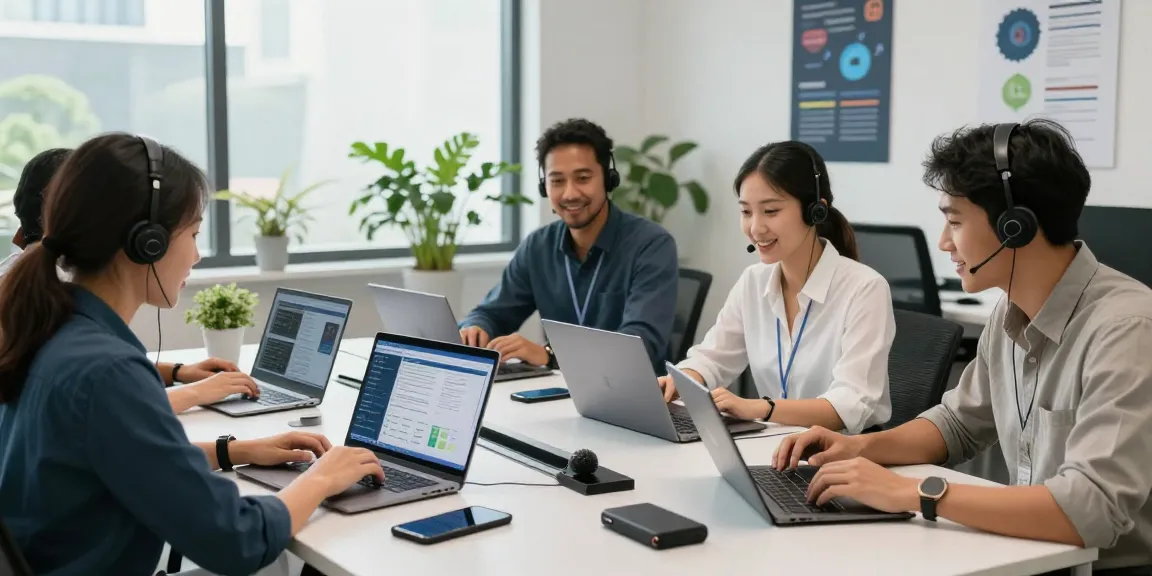
Understanding IT Support for Small Businesses
In today’s increasingly digital landscape, small businesses must navigate a myriad of technological challenges. As business operations become more reliant on IT infrastructure, having reliable IT support becomes essential. Not only does effective IT support minimize potential disruptions, but it also enhances productivity, safeguards sensitive data, and ensures regulatory compliance. When exploring options, it support small business providers often offer a range of services that can be tailored to your specific needs, making the choice more critical than ever.
What is IT Support and Why is it Essential?
IT support involves a variety of services that help businesses manage their technology effectively. These services range from troubleshooting technical issues to managing complicated IT infrastructures and safeguarding against cyber threats. For small businesses, IT support is not just an added convenience; it’s a necessity. Proper IT support can lead to increased uptime, reduced operational costs, and improved satisfaction among employees and customers.
Key Components of Effective IT Support
- Helpdesk Support: A dedicated helpdesk is vital for addressing immediate technical issues. This service ensures that problems are resolved quickly to minimize downtime.
- Network Management: Managing the network ensures that all devices are connected effectively and securely, which is crucial for operational efficiency.
- Cybersecurity: Protecting sensitive data from breaches is a primary concern for any small business, making cybersecurity measures essential.
- Data Backup and Recovery: Regular backups and capable recovery solutions safeguard business continuity, allowing for quick recovery from data loss.
- IT Strategy and Consulting: Strategic IT planning helps businesses align their technology with their overall goals, ensuring scalability and efficiency.
Different Types of IT Support for Small Businesses
Small businesses can choose from several types of IT support based on their unique needs. These include:
- On-Site Support: This involves having IT professionals physically present to handle complex issues that require direct intervention.
- Remote Support: Remote support uses technology to troubleshoot and resolve issues without needing to be on-site, making it more efficient for common problems.
- Managed IT Services: In this model, external IT providers manage and monitor all IT operations for a fixed monthly fee, allowing businesses to focus on their core operations.
- Co-Managed Services: Co-managed IT services allow small businesses to maintain their in-house team while outsourcing specific tasks to external experts.
Common Challenges Faced by Small Businesses in IT Support
Despite the benefits of IT support, small businesses often encounter several challenges that can hinder their effectiveness. Understanding these challenges is critical to overcoming them.
Identifying IT Issues Before They Impact Business
Many small businesses lack proactive monitoring systems that can detect issues before they escalate. By implementing Remote Monitoring and Management (RMM) tools, businesses can catch problems early and mitigate disruptions.
Cost Management in IT Support Services
Budget constraints can limit the ability of small businesses to invest in comprehensive IT support. Creating a balanced IT budget that includes essential services while considering future scalability is crucial for long-term stability.
Balancing In-House and Outsourced IT Support
Finding the right balance between in-house IT staff and outsourced services can be challenging. Many small businesses must evaluate their needs continually to ensure they’re not overspending on unnecessary services while still receiving adequate support.
Choosing the Right IT Support Package for Your Business
When it comes to selecting an IT support package, small businesses must carefully consider their specific requirements. The right package can provide not only technical support but also strategic guidance.
Essential Features to Look For in IT Support
Smart small businesses should focus on finding service providers that offer:
- Robust cybersecurity measures
- Comprehensive helpdesk and remote support
- 24/7 system monitoring
- Clear and transparent pricing models
- Customizable service plans to grow with the business
Comparing Costs and Services Offered
It’s essential to compare different providers, analyzing both the cost and the range of services included. Gather quotes from several vendors and assess what’s covered to ensure you’re not surprised by hidden fees later.
How to Scale IT Support as Your Business Grows
As your business expands, your IT support needs will also evolve. You should seek providers that can scale their services, from basic helpdesk support to comprehensive managed IT solutions without the hassle of switching providers.
Proactive IT Support Strategies for Small Businesses
Proactive IT support involves forward-thinking strategies designed to prevent issues before they arise, ensuring that technology enhances rather than hinders business operations.
Utilizing RMM Tools for Better Network Management
Remote Monitoring and Management (RMM) tools provide real-time insights into your network and systems. By actively monitoring metrics and performance, businesses can prevent potential bottlenecks and system failures.
Implementing Cybersecurity Measures
Investing in cybersecurity training for employees and implementing advanced security protocols can significantly lower the risk of data breaches or cyberattacks, which is vital for protecting sensitive information.
Streamlining Mobile Device Management
As the workforce becomes increasingly mobile, managing devices effectively becomes essential. Implementing a mobile device management strategy allows businesses to enforce security policies across all devices, ensuring company data remains secure.
Future Trends in IT Support for Small Businesses (2026 and Beyond)
The landscape of IT support is continually evolving. Staying ahead of trends can position your business for success in managing technology effectively.
The Rise of AI in IT Support Solutions
Artificial Intelligence (AI) is set to revolutionize IT support through improved automation, predictive analytics, and enhanced customer service interfaces that can streamline operations and reduce costs.
Emerging Technologies That Will Shape IT Support
Technologies such as cloud computing, Internet of Things (IoT), and machine learning will increasingly integrate into IT management. These technologies will help businesses enhance efficiency and improve overall service quality.
Preparing for Evolving Cybersecurity Threats
As cyber threats evolve, so too must your cybersecurity strategies. Adopting a security-first mindset and implementing adaptive measures will be crucial to safeguarding your business from future attacks.
What Are the Essential IT Support Services for Startups?
Startups often face unique IT challenges. Essential services include basic helpdesk support, cloud services, cybersecurity, and reliable data backup solutions that are cost-effective for limited budgets.
How to Measure the Effectiveness of IT Support Services?
Measuring effectiveness can involve tracking key performance indicators (KPIs) such as response times, resolution rates, and overall end-user satisfaction to assess the value that IT support brings to the business.
What Are the Benefits of Proactive IT Monitoring?
Proactive IT monitoring significantly reduces downtime by identifying potential issues before they escalate into more significant problems, thus ensuring seamless business operations.
How Can IT Support Help Enhance Business Productivity?
Effective IT support can streamline processes, improve communication systems, and automate routine tasks, thereby allowing employees to focus on more strategic initiatives that drive growth.

